Services : Micro Materials
Bioabsorbables
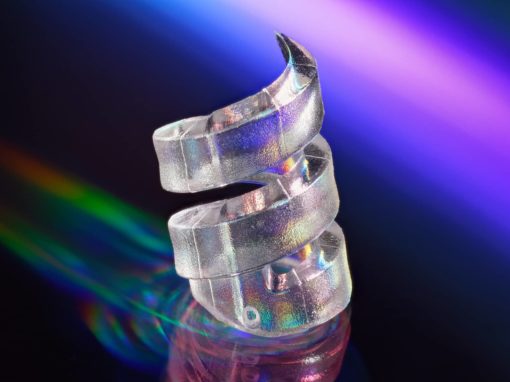
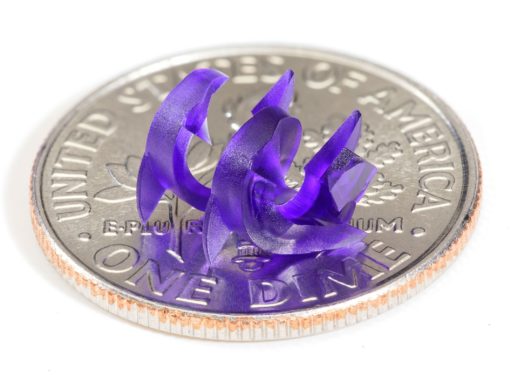
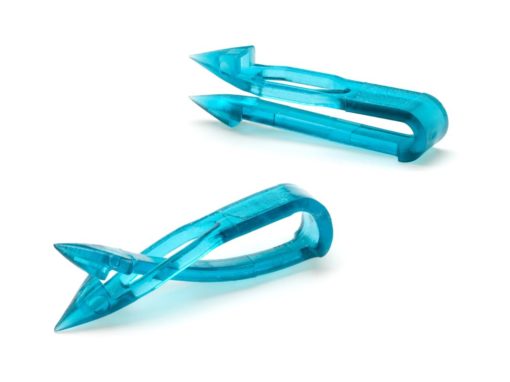
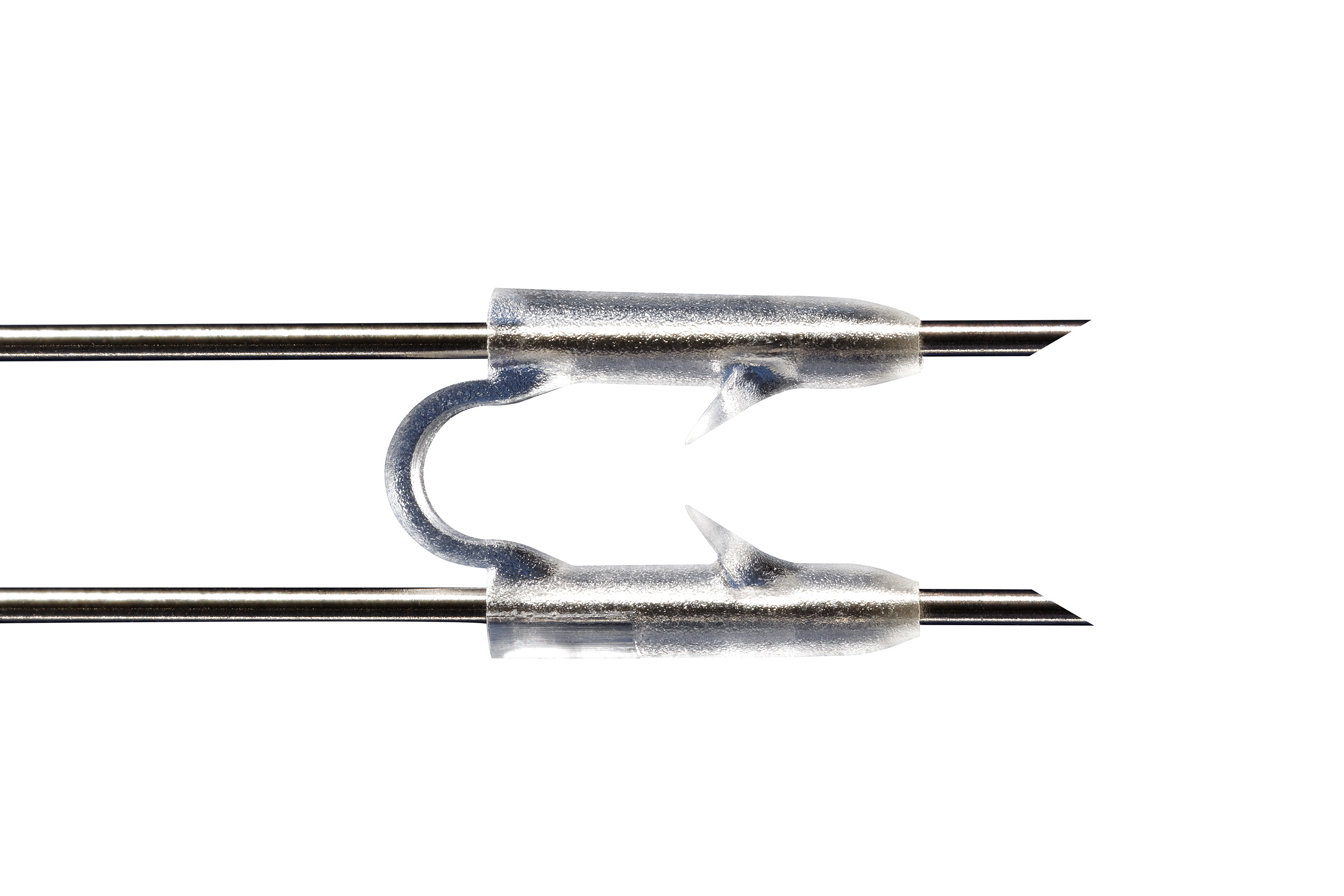
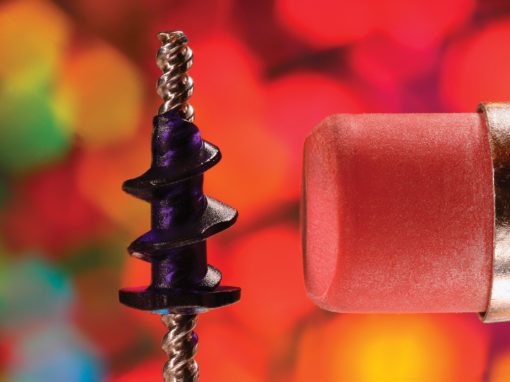
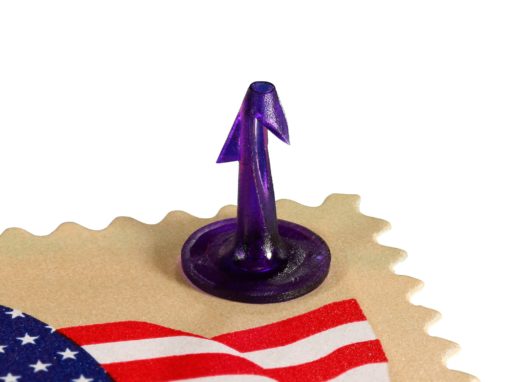
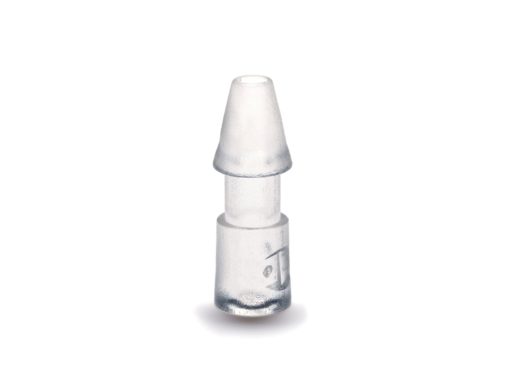
Bioabsorbables are popular in micro medical applications, as the materials dissolve or are absorbed by the body, eliminating the need for repeat surgery for their removal.
Many micro medical applications rely on bioabsorbable materials (also called resorbable, bioresorbable, or biodegradable) because the materials dissolve or absorb into the body, eliminating the need for additional surgeries and minimizing concerns about adverse effects.
A successful bioabsorbable product starts with the right material selection, but also addresses other key factors to ensure premium quality and maximum cost-effectiveness. Learn more about our bioabsorbable expertise and capabilities.
Bioabsorbable Polymers
A selection of bioabsorbable materials we work with:
- PURASORB® PLG 8531 (85/15 L-lactide/glycolide copolymer)
- PURASORB® PLG 8523 (85/15 L-lactide/glycolide copolymer)
- PURASORB® PLG 8218 (82/18 L-lactide/glycolide copolymer)
- PURASORB® PLG 1017 (10/90 L-lactide/glycolide copolymer)
- PURASORB® PDLG 5010 (50/50 DL-lactide/glycolide copolymer)
- PURASORB® PLDL 7024 (70/30 Poly-L-lactide-co-DL-lactide)
- PURASORB® PL 38 (Poly-L-lactide)
- RESOMER® L210S (Poly-L-lactide)
- RESOMER® LR 706 (70/30 Poly-L-lactide-co-DL-lactide)
- RESOMER® LR 708 (70/30 Poly-L-lactide-co-DL-lactide)
- RESOMER® LR 704 (70/30 Poly-L-lactide-co-DL-lactide)
- RESOMER® RG 509 S (50/50 Poly-L-lactide-co-glycolide)
- RESOMER® X 206 S (Polydiaxanone)
- Glycoprene®
- Lactoprene®
- Strataprene®
- P4HB (poly-4-hydroxybutrate)
- PCL (polycaprolactone)
- PLGA (poly lactide-co-glycolide)
- PLLA (Poly-L-lactide)
- Other (customer proprietary bioabsorbable materials)
Additives & Fillers
- Color concentrates
- Pharmaceuticals for drug elution
- TCP (Tricalcium phosphate)
| Bioabsorbable Material | Molding Ease (1-5) |
Ave. IV Loss (%) | Cost ($–$$$$) |
Notes |
|---|---|---|---|---|
| PURASORB® PLG 8531 (85/15 L-lactide/glycolidecopolymer) | 4 | 9% | $$$ | Challenging to fill. Good flow with "normal" wall thickness. |
| PURASORB® PLG 8218 (82/18 L-lactide/glycolidecopolymer) | 4 | 4% | $$$ | Easy to flow, can fill very thin walls/details |
| PURASORB® PLG 1017 (10/90 L-lactide/glycolidecopolymer) | 3 | 6-10%* | $$$ | Difficult to dry. Very high glycolide content. |
| PURASORB® PDLG 5010 (50/50 DL-lactide/glycolide copolymer) | 3 | 6%* | $$$ | Challenging to dry and flow |
| RESOMER® LR 706 (Poly-L-lactide-co-D,L-lactide)70:30 | 3.5 | 20% | $$$ | |
| RESOMER® LR 708 (Poly-L-lactide-co-D,L-lactide)70:30 | 3 | 45% | $$$ | Ultra-high molecular weight, challenging to push |
| RESOMER® LR 704 (Poly-L-lactide-co-D,L-lactide)70:30 | 4 | 10% | $$$ | |
| RESOMER® X 206 S | 1 | 4% | $$$$ | Extremely narrow melt temperature window, degrades quickly |
| P4HB-based (poly-4-hydroxybutrate) | 3 | ** | $$$ | Does not dissolve in chloroform |
| PCL-based (polycaprolactone) | 2 | *** | $$$ | Challenging to feed, runs well after initial feed |
| PLGA-based (poly lactide-co-glycolide) | 4 | 4% | $$$ |
* Based on material manufacturer data
** Custom Material – proprietary results
*** Indeterminate, limited data