
Services : Micro Materials
Thermoplastics
Thermoplastics are polymers that become pliable and moldable above a specific temperature, and return to a solid state upon cooling.
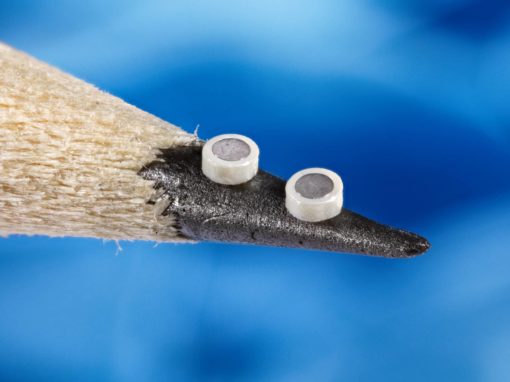
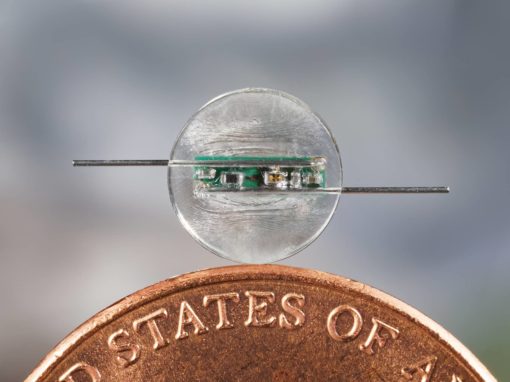
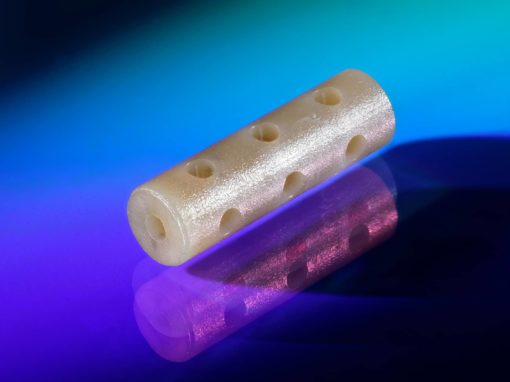
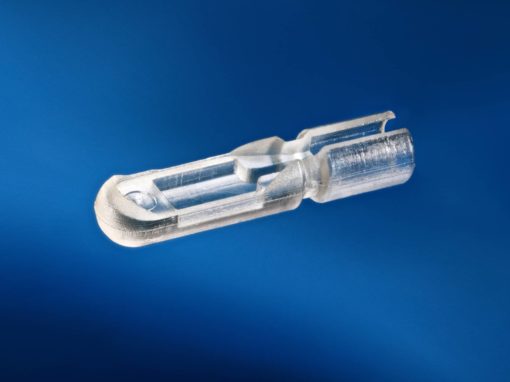
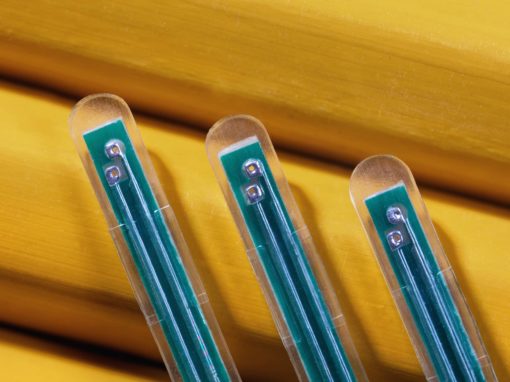
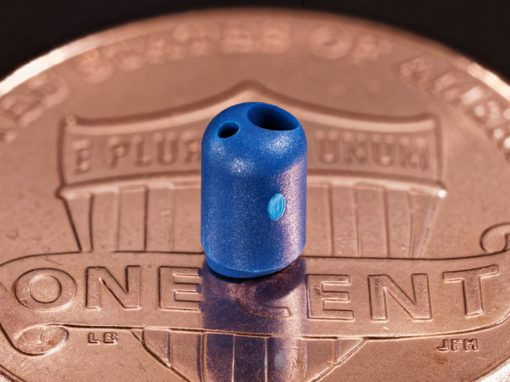
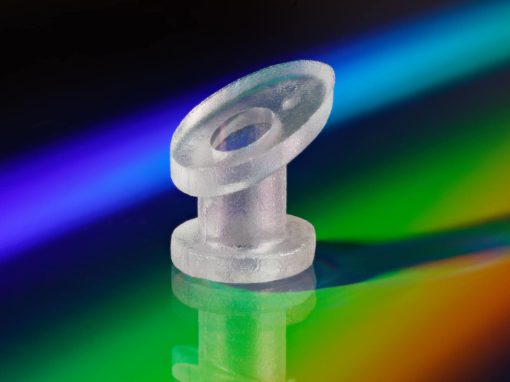
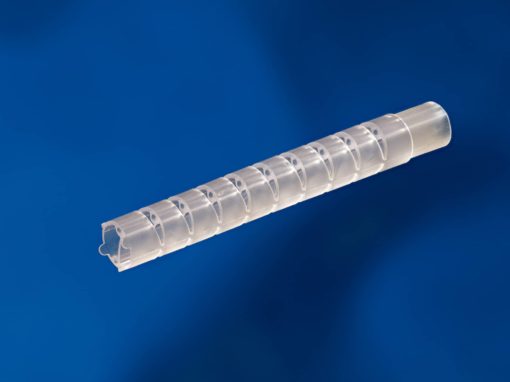
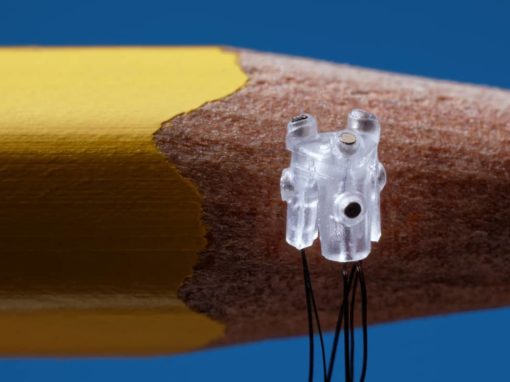
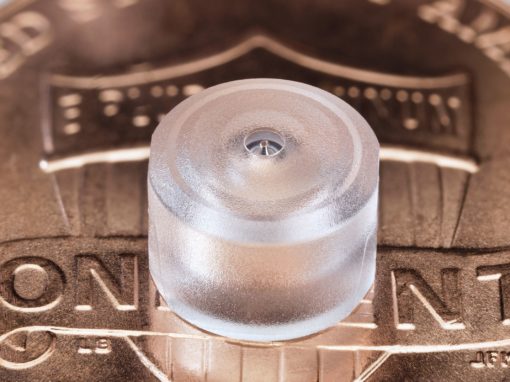
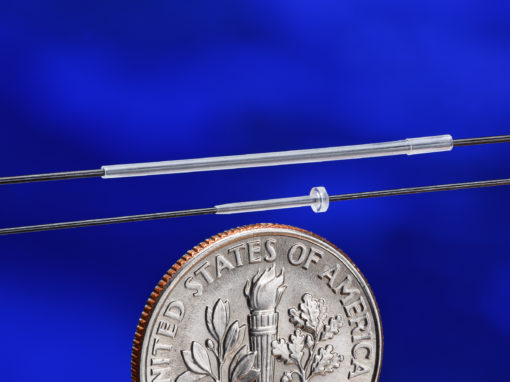
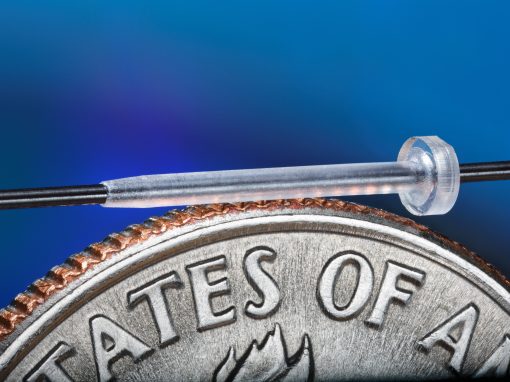
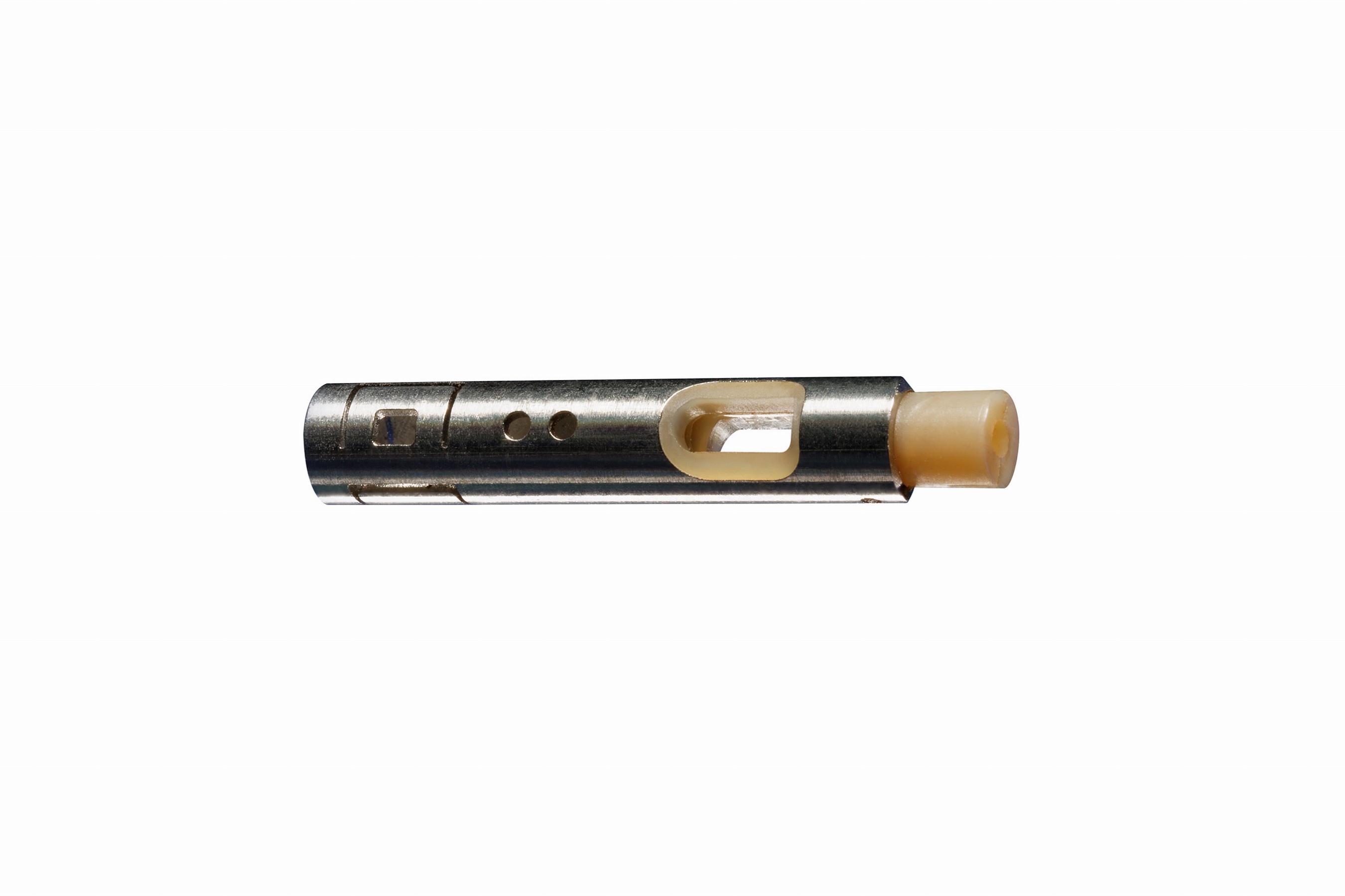
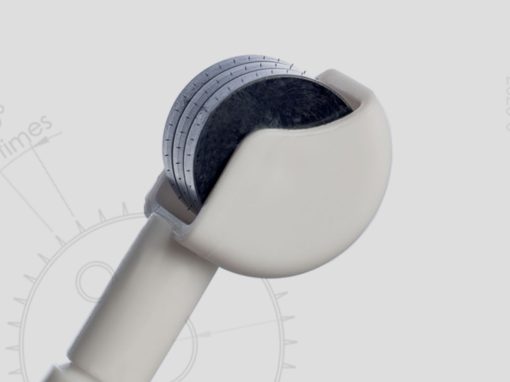
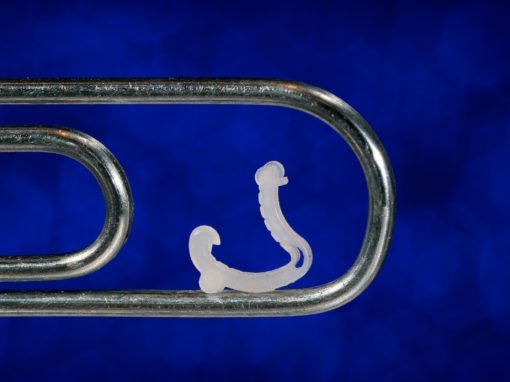
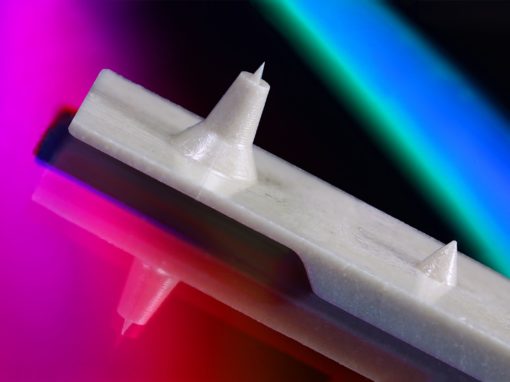
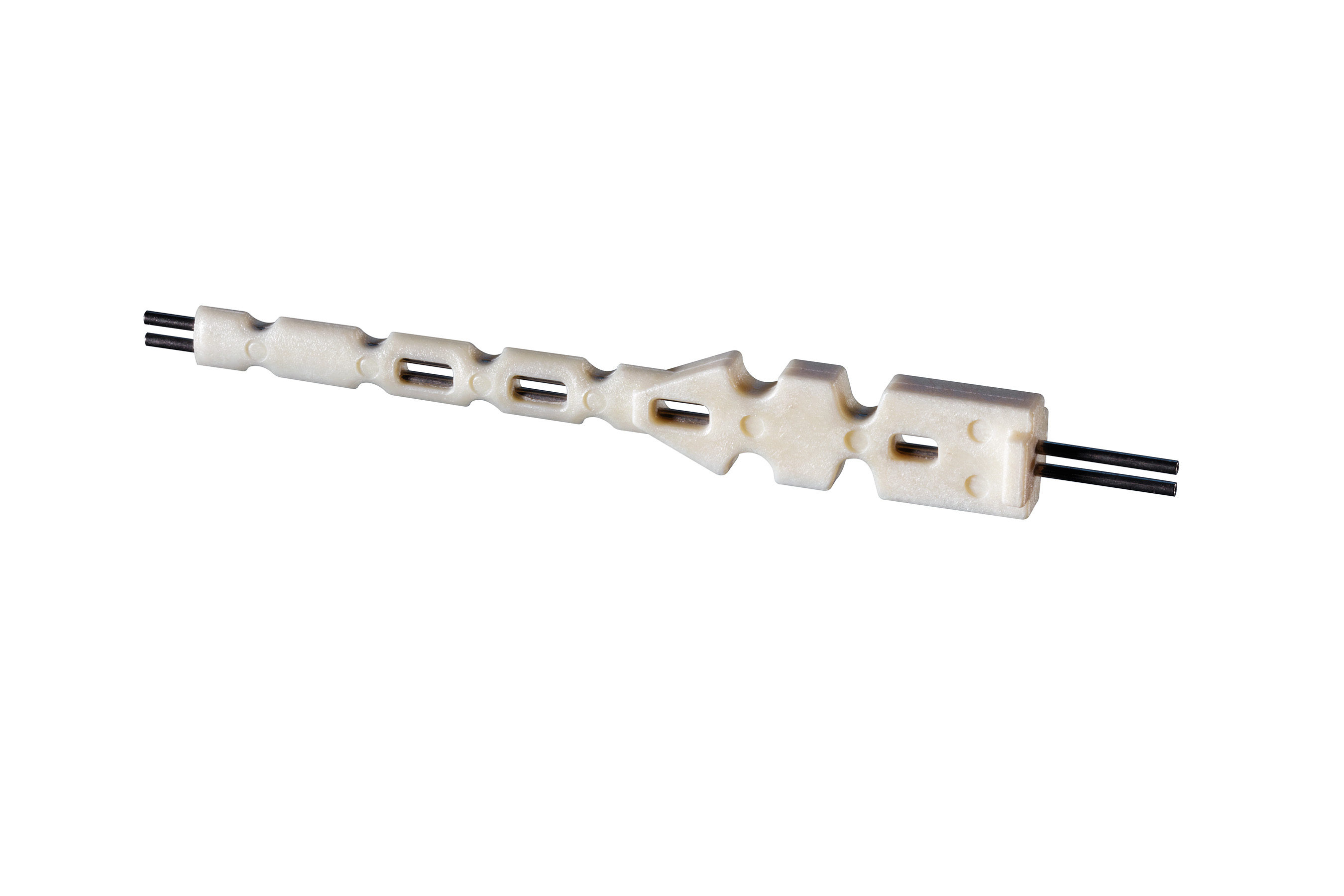
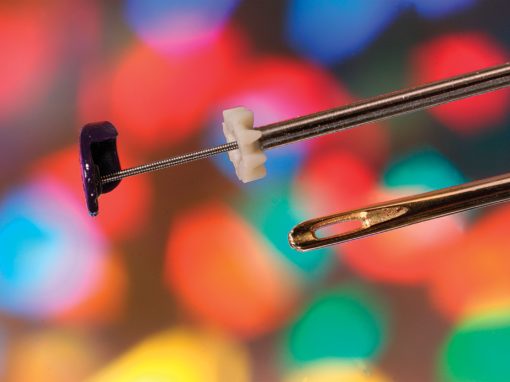
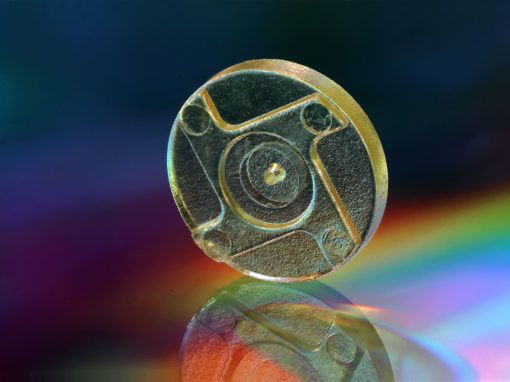
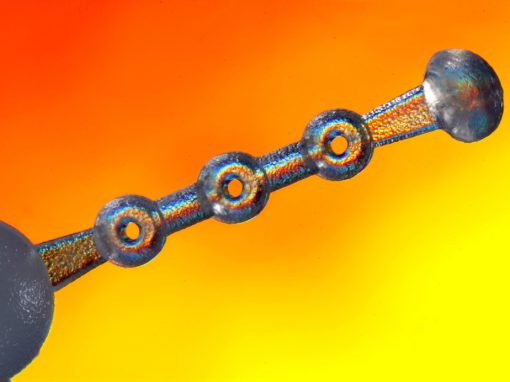
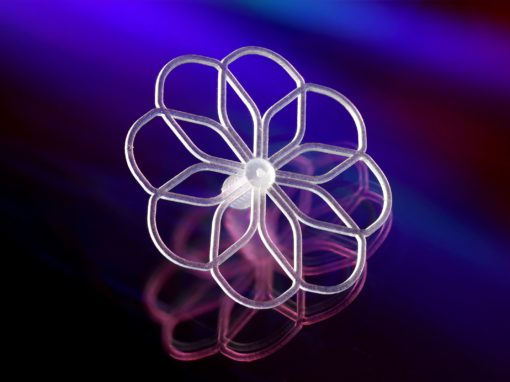
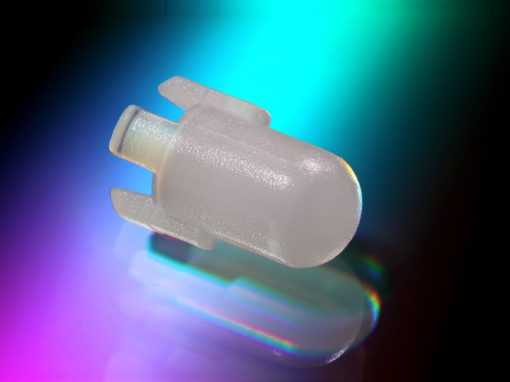
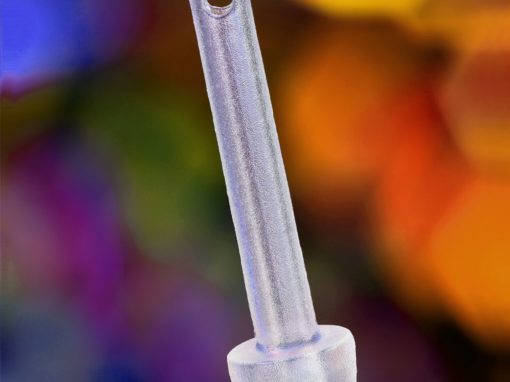
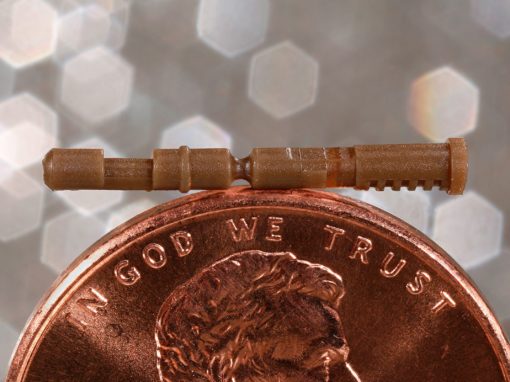
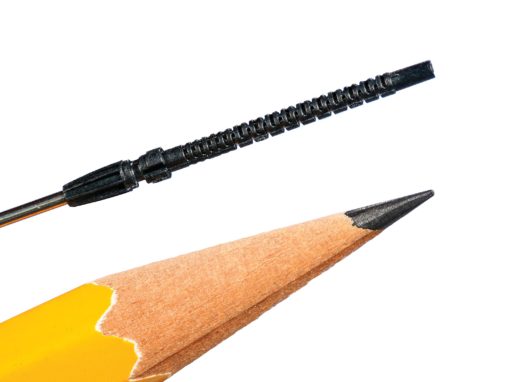
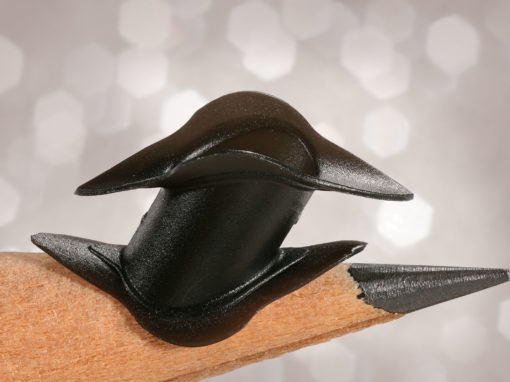
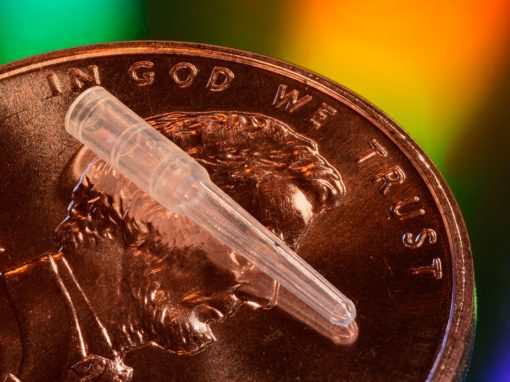
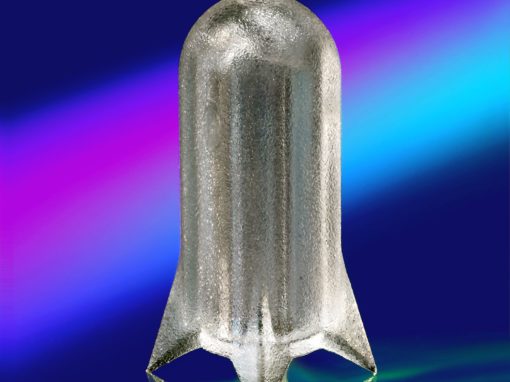
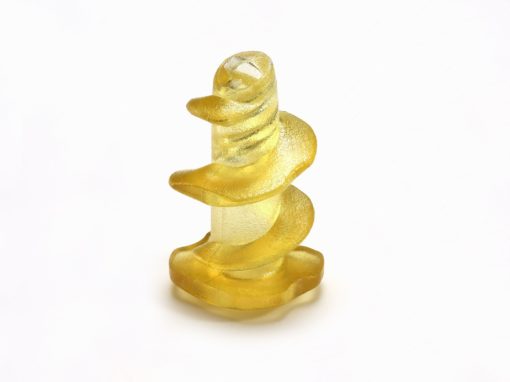
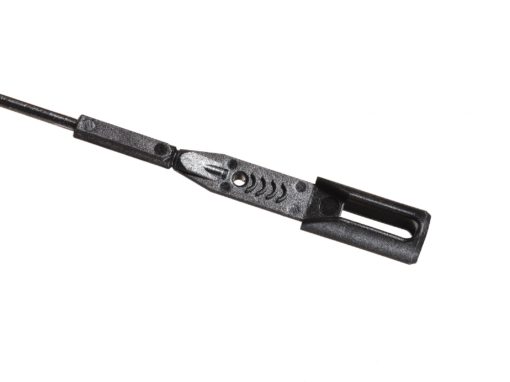
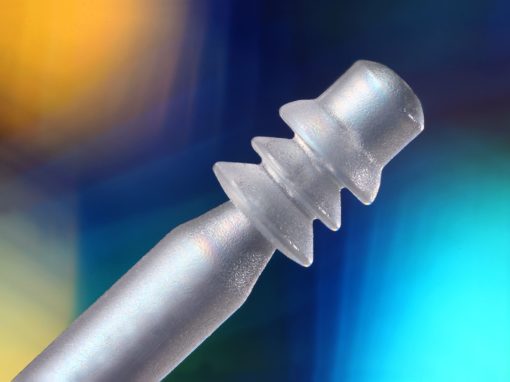
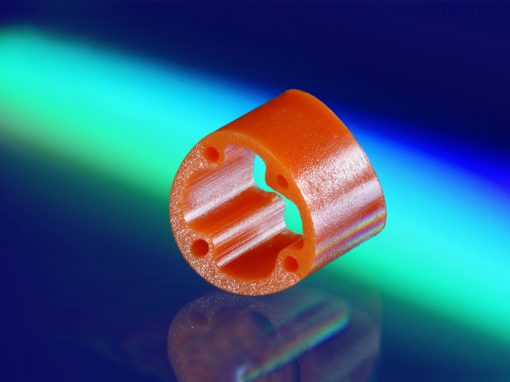
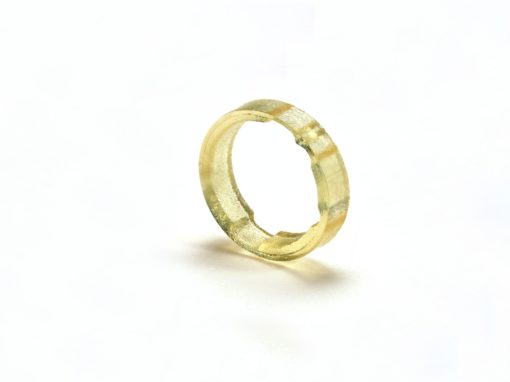
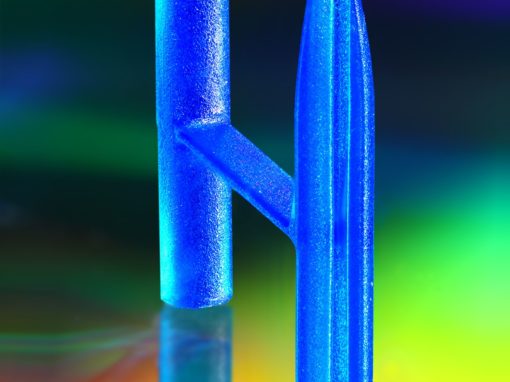
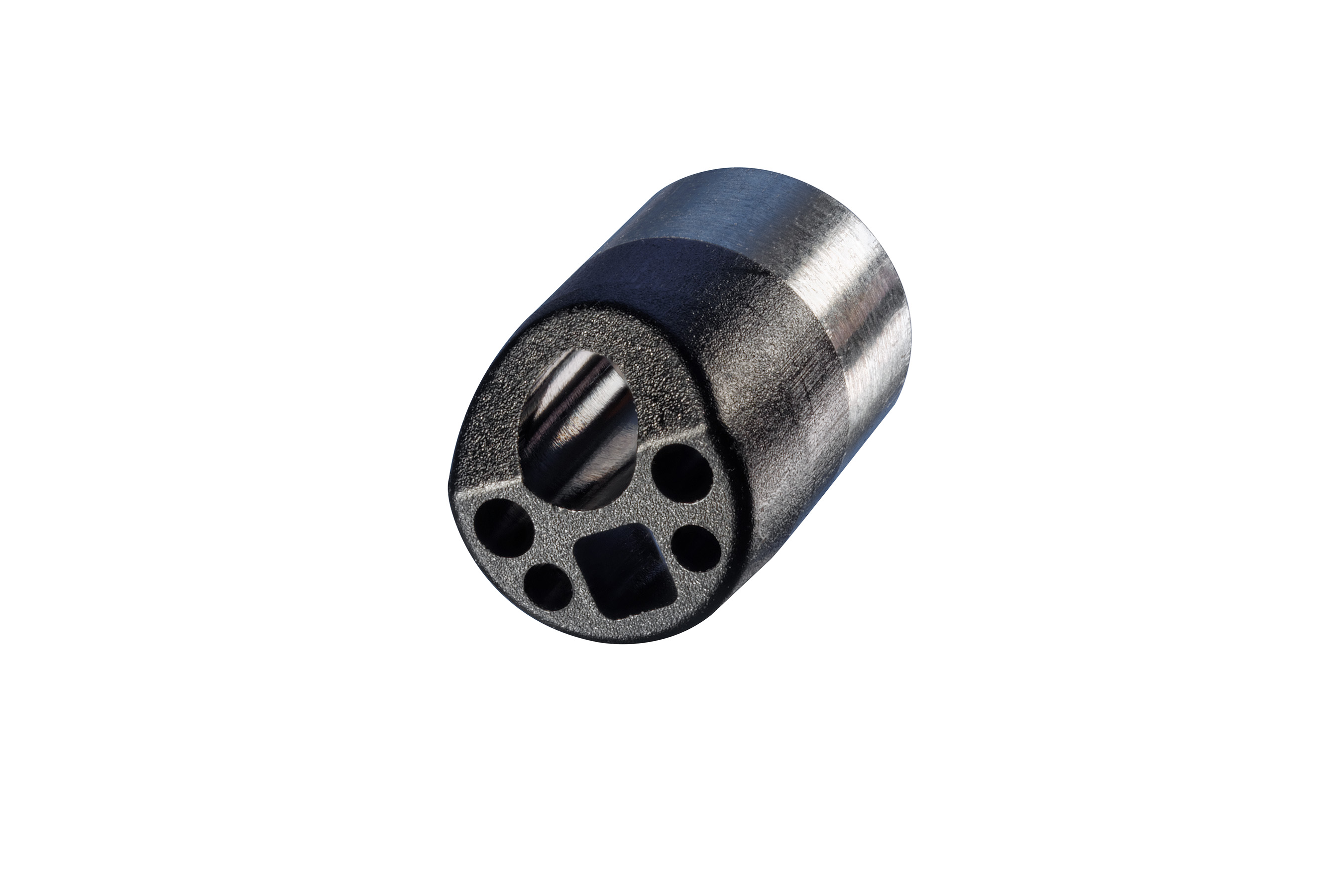
Medical-grade thermoplastics are an ideal choice for micromolding miniatures like Ultem Screws, Thin-Walled Micro Links, and Ejector Rings.
Thermoplastic Materials
A selection of thermoplastic materials we work with:
- ABS (Acrylonitrile Butadiene Styrene)
- ABS / PC alloys
- Acetal / POM
- COC (Cyclic Olefin Copolymer)
- COP (Cyclo Olefin Polymer)
- ETFE (Polyethylenetetrafluoroethylene)
- LCP (Liquid Crystal Polymer)
- PBT (Polybutylene Terephthalate)
- PC (Polycarbonate)
- PE (Polyethylene)
- PEEK (PolyEther Ether Keytone)
- PEI (PolyEthermide, Ultem)
- PEKK (Polyetherketoneketone)
- PET (PolyEthylene Terephthalate), includes elastomeric grades
- PMMA Copolymers (Polymethyl Methacrylate)
- Polyamide (Nylon), includes elastomeric grades
- PP (Polypropylene)
- PS (Polystyrene)
- PSU (Polysulfone)
- PU (Polyurethane), includes elastomeric grades
- SAN (Styrene Acrylonitrile)
- TPE (Thermoplastic Elastomers)
- Other (Customer Proprietary Materials)
Additives & Fillers
- Barium sulfate (BaSO4) for radiopacity
- Tungsten (also radiopacity, high-wear)
- Carbon fiber
- Color concentrates
- Glass fibers
- Glass spheres
- Nucleating agents

Molding Ease and Cost
| Thermoplastic Material | Molding Ease (1–5) |
Cost ($–$$$$) |
Notes |
|---|---|---|---|
| ABS (Acrylonitrile Butadiene Styrene) | 5 | $ | |
| ABS/PC alloys | 5 | ||
| Acetal/POM | 4 | $ | |
| COC (Cyclic Olefin Copolymer) | 4 | $ | Material conditioning is critical |
| COP (Cyclo Olefin Polymer) | 4 | $ | Inert to many chemicals. Hard to flow.Variation in material. |
| ETE (Polyethylenetetrafluorothylene) | 2 | $ | |
| LCP (Liquid Crystal Polymer) | 4 | $$ | Can fill very thin walls/details |
| PEEK (Polyetheretheretone) | 3 | $$$ | Easy to get black specs, quick degradation, extensive & rigorous flowpath clean required, high temperature molding |
| PEI (Polyetherimide) | 3 | $$ | High melt temperature |
| PE (Polyethylene) | 5 | $$ | Soft material, be careful with automation! |
| PBT (Polybutylene Terephthalate), includeselastomeric grades | 4 | $ | |
| PC (Polycarbonate) | 5 | ||
| PEKK (Polyetherketoneketone) | 3 | $$$$ | Similar to PEEK, easy to dry |
| PET (Polyethylene Terephthalate), includeselastomeric grades | 4 | ||
| PMMA Copolymers (Polymethy/ Methacrylate) | 4/5 | $$ | |
| Polyamide (Nylon), includes elastomeric grades | 3 | $ | Difficult to dry, moisture sensitive. Dry too long at high temp? yellowing will occur |
| PP (Polypropylene) | 5 | $$ | Does not have to be dried prior to molding |
| PS (Polystyrene) | 5 | ||
| PSU (Polysulfone) | 3 | $-$$$ | Easy to get black specs, quick degradation, high temperature molding |
| PU (Polyurethane), includes elastomeric grades | 3 | $$ | Can be difficult to de-mold |
| SAN (Styrene Acrylonitrile) | 5 | ||
| TPE (Thermoplastic Elastomers) | 3 | $-$$ | Can be difficult to de-mold |